
Sound And UX In Casinos
Walk into any modern casino, and your ears start making decisions before your eyes do. That soft chime when you hit a small win, the rising tension of a bonus round soundtrack, even the silence that follows a long dry streak, all shape what you feel about the platform. Online casinos are no different; audio is an invisible hand guiding emotions and behavior, sometimes gently, sometimes more assertively.
If you prefer quick access and fewer barriers, you may already have tried casinos without registration, where sound cues become even more critical because a first impression must be fast and convincing. A lot of designers, I think, underestimate how much a tiny jingle can tilt a player’s mood, and then, oddly, they pile up animations instead.
Casino Soundscapes That Matter
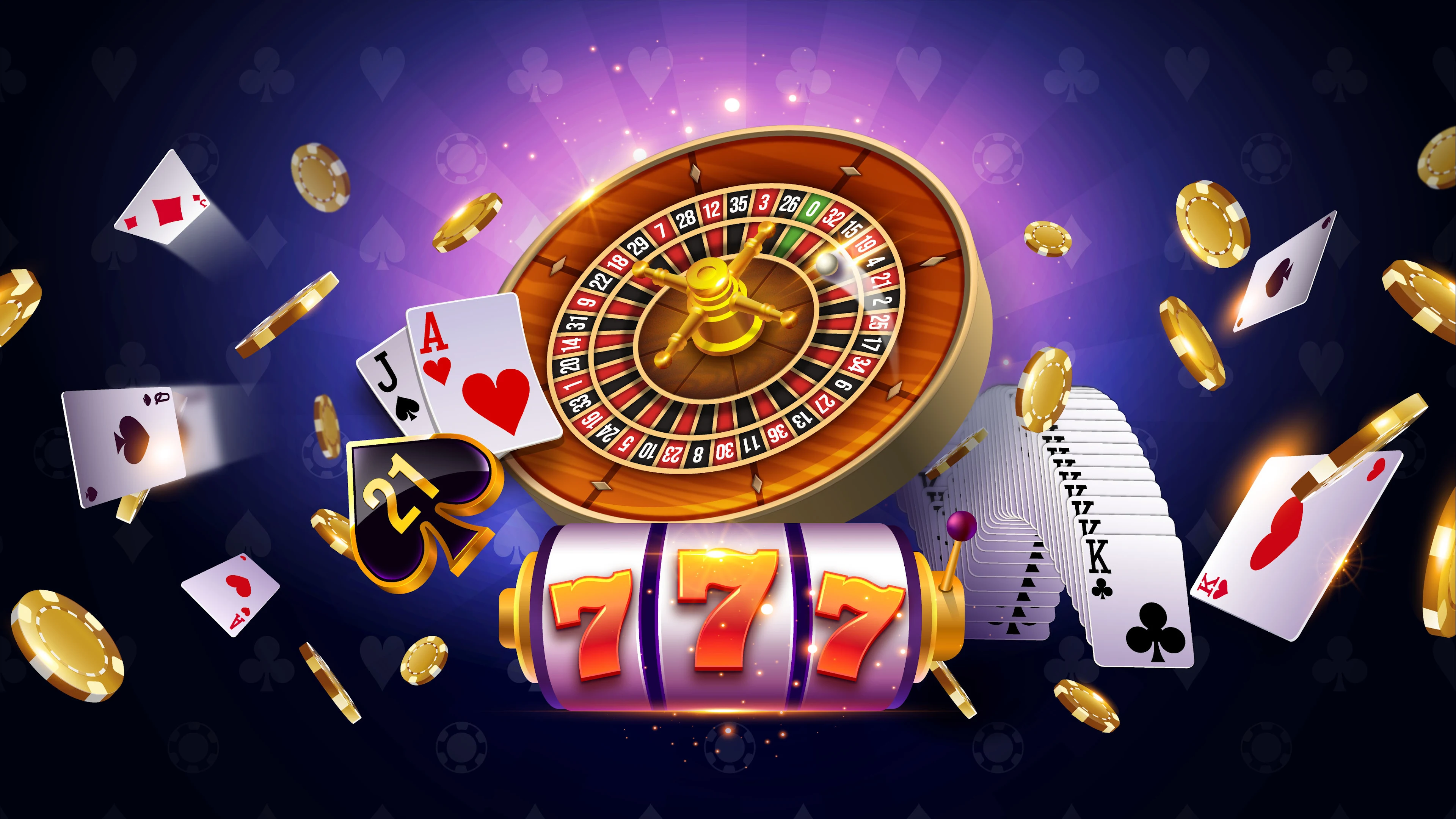
Soundscapes are not just background music, they are layered experiences. Think ambient loops to suggest the room—luxury, calm, or high-energy—plus micro-sounds for actions: spinning reels, button taps, alert blips. The right balance helps players know where to look, what to expect, and whether to stay or go. It is subtle persuasion, not coercion, usually.
Before I list concrete areas where sound matters, consider this little design principle I often repeat, though imperfectly: audio should reward attention, it should not punish silence. That means sounds for wins and confirmations, silence for thinking moments. It sounds obvious, but developers forget it, and users notice.
A quick note, if you hover over the word registration you’ll see how tooltip-like cues can provide clarity without breaking immersion.
Here are some functional areas where sound design amplifies UX, roughly ranked by how often they influence immediate player decisions.
The short list below isn’t exhaustive, but it captures the pieces I return to in reviews and design conversations.
- Onboarding and registration cues, so players feel welcomed and confident their account is ready.
- Slot interactions and feedback, to make small wins emotionally meaningful and encourage further play.
- Bonuses and special features, where sonic arcs heighten anticipation and confirm achievement.
Player Experience And Emotional Flow
The player’s journey is not just about numbers, it’s mood management. Audio nudges a player through curiosity, tension, reward, and reflection. Design a good flow and players stay longer and often feel like they had a better time, whether they won or lost. That’s important because retention, oddly, comes from perceived fairness and enjoyment as much as payouts.
Moments That Matter
Little moments — a soft confirmation when a deposit clears, a unique tone for cashout, an anticipatory swell for free spins — all guide behavior. I remember testing a platform where the cashout tone was too celebratory, and people misread small wins as big ones. So, nuance matters.
Below, a concise checklist I often use with product teams, again, not perfect but practical.
- Differentiate sounds: wins, losses, info, and errors should be distinct and consistent.
- Volume layering: background loops low, action cues mid, confirmation tones higher but not jarring.
- Respect silence: provide mute and adjustable audio settings prominently.
Payments, Confirmations And Trust
Transactions are anxious moments. A tiny confirmation tone coupled with a clear visual receipt calms players. That sound becomes part of the brand’s credibility. If it sounds cheap or mismatched, trust erodes a little, maybe imperceptibly, but enough to affect repeat behavior.
Designers should remember that payment flow audio is not about celebration, it is about reassurance. I would rather hear a neutral, warm chime than an exuberant fanfare.
A tiny operational list for payments and sound, because being procedural can be practical.
- Use a distinct confirmation sound for deposits and another for withdrawals.
- Link sounds to receipts and emails so the same cue appears in multiple places.
- Allow silence during slow network waits, with a gentle progress tone if necessary.
Quick Sound Checklist
Below is a compact reference table you can copy into a design brief. It’s practical, nothing fancy, but it helps align teams.
| Area | Sound Role | Notes |
|---|---|---|
| Onboarding | Welcome cue | Warm, brief, not intrusive |
| Slots | Action & reward | Layered, responsive |
| Payments | Confirmation | Neutral, trust-building |
conclusion: Sound and UX design are often the quiet architects of player experience in casinos. They shape tempo, set expectations, and ultimately influence choices. Good audio design does not scream, it guides, reassures, and occasionally delights. If you design or pick platforms, listen closely — not just to wins, but to the gaps between them, those are where better user experiences live.