Exploring how cultural backgrounds shape casino experiences worldwide
Cultural Influences on Casino Design
The design and ambiance of casinos worldwide reflect the cultural values and traditions of their respective regions. In Las Vegas, the vibrant colors and extravagant themes are designed to create an atmosphere of excitement and luxury, attracting tourists from around the globe. Conversely, in Asian markets like Macau, the focus often leans towards opulence intertwined with cultural motifs, such as Feng Shui principles, that resonate with local beliefs. Interestingly, many sites also cater to those interested in snooker betting sites, further diversifying the gaming landscape. This cultural integration not only enhances the aesthetic experience but also connects visitors to the historical narratives of the area.

Cultural backgrounds significantly influence the choice of games offered in casinos. For instance, while Western casinos predominantly feature slot machines and table games like blackjack and roulette, Asian casinos often prioritize games like baccarat and Pai Gow. This distinction is rooted in regional gambling traditions and social preferences, showcasing how cultural identities shape the gaming landscape. As casino operators understand these nuances, they tailor their offerings to align with the tastes and expectations of their audiences.
Moreover, the physical layout of casinos can reflect cultural norms. For example, in some Middle Eastern countries, there is a focus on privacy and family-oriented spaces within gambling environments. Casinos may feature family rooms or separate areas that cater to non-gambling activities. This design choice emphasizes respect for cultural values, encouraging a welcoming environment while still providing entertainment for all age groups.
Gaming Regulations and Cultural Norms
Cultural backgrounds also dictate the regulatory frameworks surrounding gambling in different regions. In countries where gambling is viewed with suspicion or outright prohibition, such as certain Middle Eastern nations, the regulations are often strict, limiting both physical and online gambling options. On the other hand, cultures that embrace gambling, like those in Europe and parts of North America, have established more liberal regulations that encourage a variety of gambling activities. This creates vastly different experiences for players, shaping how they engage with the casino environment.
Furthermore, societal views on gambling can influence whether it is considered a recreational activity or a vice. In cultures where gambling is celebrated as a social event, casinos often offer integrated experiences, combining dining, entertainment, and gaming in a cohesive manner. In contrast, in societies where gambling is frowned upon, casinos might operate discreetly, focusing on high-rolling clientele rather than mass appeal. These attitudes dictate the marketing strategies employed and can significantly affect the clientele that casinos attract.
Additionally, the ethical considerations surrounding gambling are shaped by cultural perceptions. In some cultures, responsible gambling is an essential aspect of the gambling experience, leading to casinos implementing various measures to promote safe play. Initiatives like self-exclusion programs and educational resources on responsible gambling practices are more prevalent in regions that prioritize player welfare due to cultural or religious influences. This recognition of potential social issues is a key aspect of the gambling experience in different cultural contexts.
The Role of Tradition in Gambling Practices
Tradition plays a vital role in shaping casino experiences around the world. For example, in many indigenous cultures, gambling has a historical significance tied to rituals and community gatherings. This deep-rooted connection elevates the act of gambling beyond mere entertainment, often involving games that have been passed down through generations. Such traditional games may feature prominently in local casinos, offering a unique experience that celebrates heritage while attracting tourists interested in cultural authenticity.
Additionally, holidays and festivals can significantly influence casino operations and experiences. In many cultures, specific times of the year are dedicated to gambling festivities, where casinos may host events that reflect local customs. For instance, during the Lunar New Year, casinos in Asia often incorporate themed events that celebrate good fortune, blending traditional celebrations with gaming activities. This connection to cultural events fosters a sense of community and draws in participants eager to engage in both gambling and local traditions.
Moreover, the involvement of family and community in gambling practices can vary widely across cultures. In regions where gambling is a communal affair, casinos might offer family-friendly zones or activities, reinforcing social connections. This approach contrasts with more solitary gambling experiences common in other cultures, where individual gaming is emphasized. Such differences highlight how cultural attitudes shape the environment, fostering unique social interactions and experiences within casinos.
The Impact of Online Gambling on Cultural Experiences
The rise of online gambling platforms has transformed the casino experience by bridging cultural divides while still being influenced by regional characteristics. Online casinos often replicate the design elements and game offerings of their brick-and-mortar counterparts, yet they also adapt to local preferences by featuring region-specific games and promotional strategies. For instance, an online casino operating in Europe may provide a different user experience compared to one based in Asia, reflecting the cultural nuances of their target demographics.
Moreover, the accessibility of online gambling has allowed individuals from diverse cultural backgrounds to engage with gambling in a more personal, often private environment. This shift enables players to explore gaming options without the social pressures or stigma that may exist in their physical locations. As a result, online casinos can serve as a melting pot of global gaming practices, allowing players to experience different cultural interpretations of gambling from the comfort of their homes.
However, this cultural integration can lead to challenges, such as the potential clash of local laws with international gambling regulations. For example, players in countries where gambling is heavily restricted may seek online casinos based in more liberal jurisdictions. This pursuit can create a legal grey area, highlighting the ongoing negotiation between cultural values and the global nature of online gambling. As the landscape evolves, casinos must navigate these complexities to provide a responsible and culturally sensitive gaming experience.
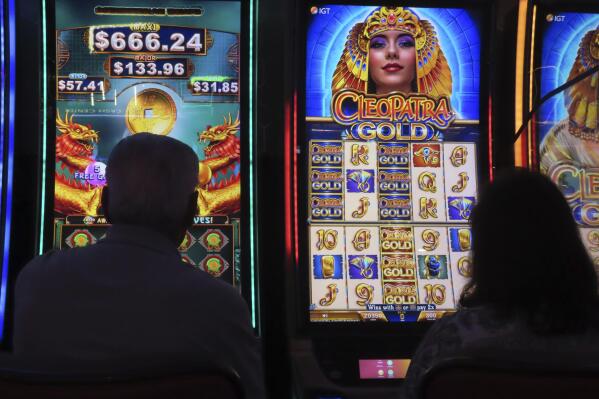
Exploring Casino Experiences through a Global Lens
Understanding how cultural backgrounds shape casino experiences requires a global perspective. The interplay of tradition, regulation, and societal attitudes creates diverse gambling environments that cater to the unique preferences of local populations. As casinos worldwide adapt to these differences, they not only enhance their offerings but also contribute to the rich tapestry of global culture. This recognition of cultural significance is key to creating an engaging experience for both locals and tourists alike.
Additionally, the ongoing evolution of technology and the rise of online gambling are reshaping traditional views of casino experiences. Players now have access to a myriad of gaming options, often transcending geographical boundaries. This development opens up discussions about the future of gambling, particularly how operators can respect and integrate cultural backgrounds into their platforms while ensuring compliance with regional laws.
By continuing to explore the intersection of culture and gambling, the industry can foster greater understanding and appreciation among players. As more people engage with casino experiences, it becomes essential to honor the unique traditions and values that shape these environments. Through this lens, we can anticipate a future where gambling is not only a form of entertainment but also a celebration of cultural diversity.